Verbier, Switzerland - A refined Alpine wedding destination
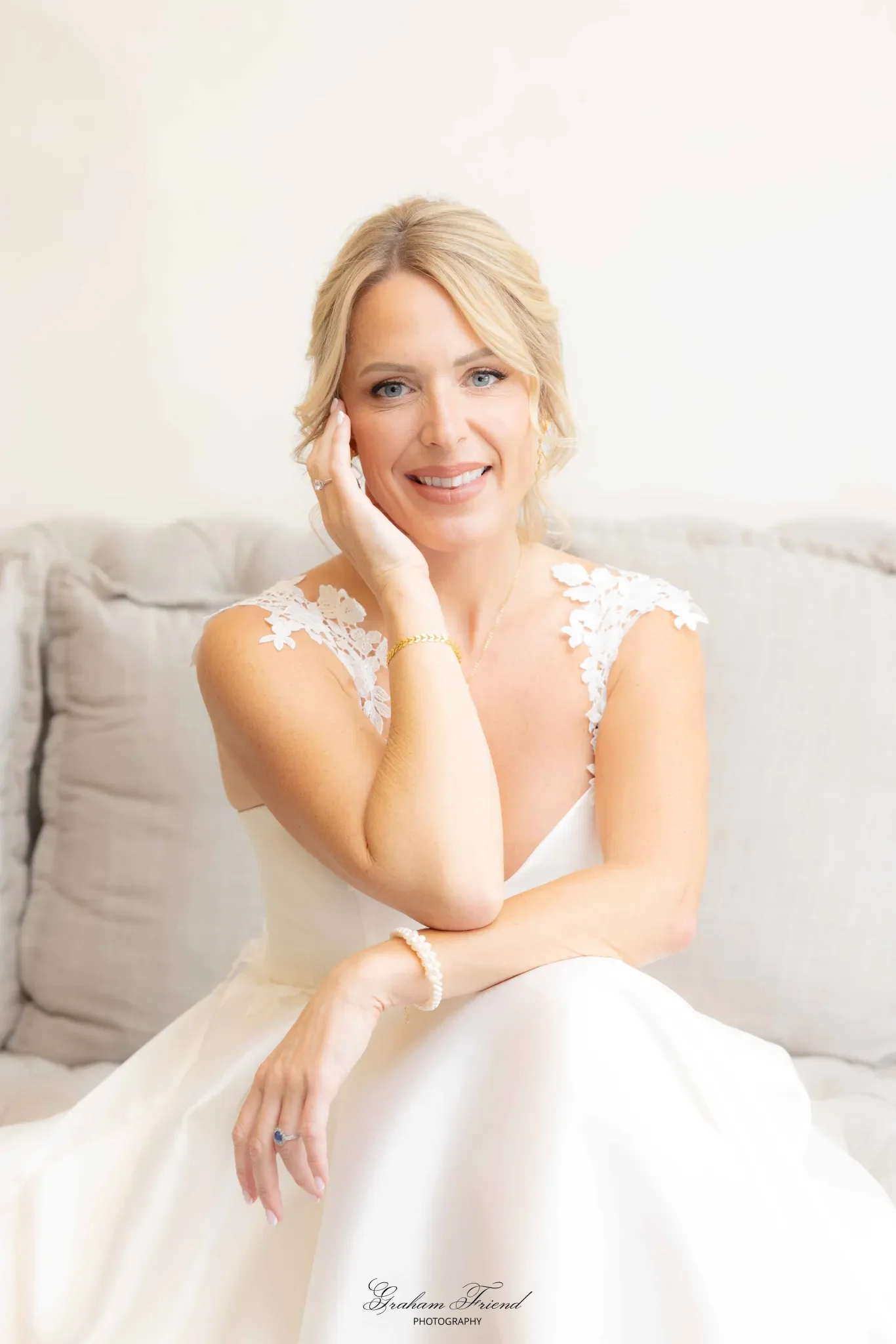
Verbier, set high in the Swiss Alps, offers a wedding setting that feels both effortlessly luxurious and deeply connected to nature. Surrounded by dramatic peaks and expansive views, it is a place where light, landscape and atmosphere come together in a way that feels naturally elegant.
What distinguishes Verbier from other destinations is its balance. It is refined without being overly formal, exclusive without feeling inaccessible. There is a quiet confidence to the place, a sense that everything is considered, but never overstated. For couples, this creates an experience that feels both relaxed and elevated.
In winter, the landscape transforms into something almost cinematic. Snow softens the environment, simplifying colour and form, allowing moments and emotion to take centre stage. In contrast, summer brings warmth, movement and openness, long days, golden light and easy access to the high alpine terrain that surrounds the village.
Whether it is an intimate elopement or a larger celebration, Verbier provides a setting that feels timeless. It is not simply about the views, but about the atmosphere, calm, expansive and quietly extraordinary.
Planning a Alpine wedding - what to consider
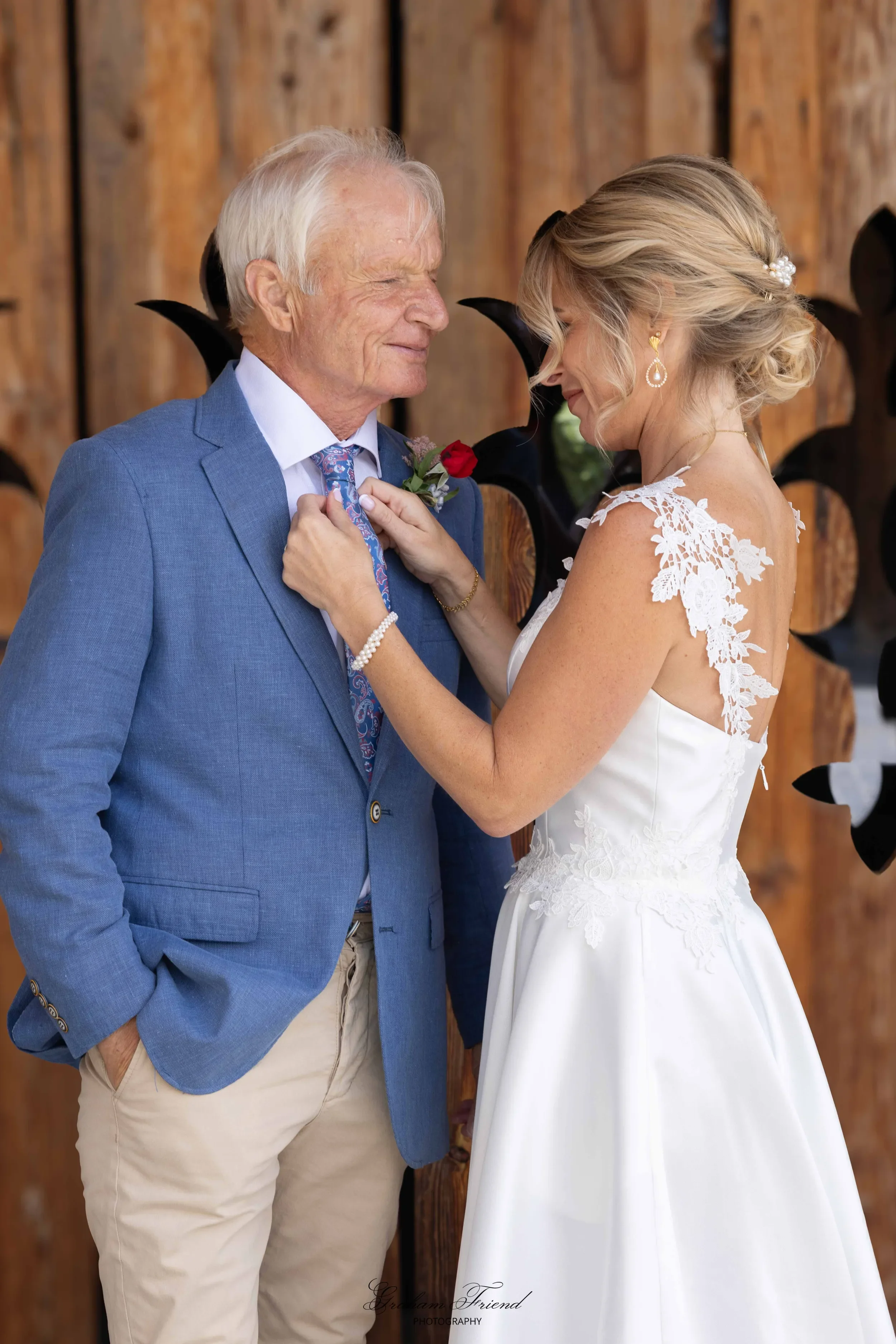
Planning a wedding in Verbier or other resorts in the Alps requires a thoughtful and considered approach. The mountain environment offers exceptional beauty, but it also introduces variables that shape how a wedding unfolds, from light and weather to timing and access. A degree of flexibility is essential in your wedding planning.
One of the first decisions is season. Winter weddings offer a strong visual identity; snow, atmosphere and intimacy but more unpredictable weather, access can be challenging and a winter wardrobe is essential. Summer allows for greater flexibility, longer days and access to more remote alpine locations. Each brings a different tone and choosing between them defines the overall feel of the celebration. Autumn should never be overlooked, the colours of Autumn in the Alps offers a stunning backdrop to any wedding.
Light plays a crucial role. In the mountains, it changes quickly and planning your day around natural light can make a significant difference to both the experience and the photography. Allowing time for portraits in softer light, early morning or late afternoon, creates images that feel calm, elegant and unforced.
Logistically, simplicity is often key. The most successful weddings in Verbier are those that work with the environment rather than against it. Carefully chosen locations, a considered schedule and an unhurried pace create a sense of ease that allows everything to flow naturally.
Ultimately, the goal is not to over-design the experience, but to create space for moments to unfold, something the mountains naturally encourage.
What to wear for an Alpine wedding
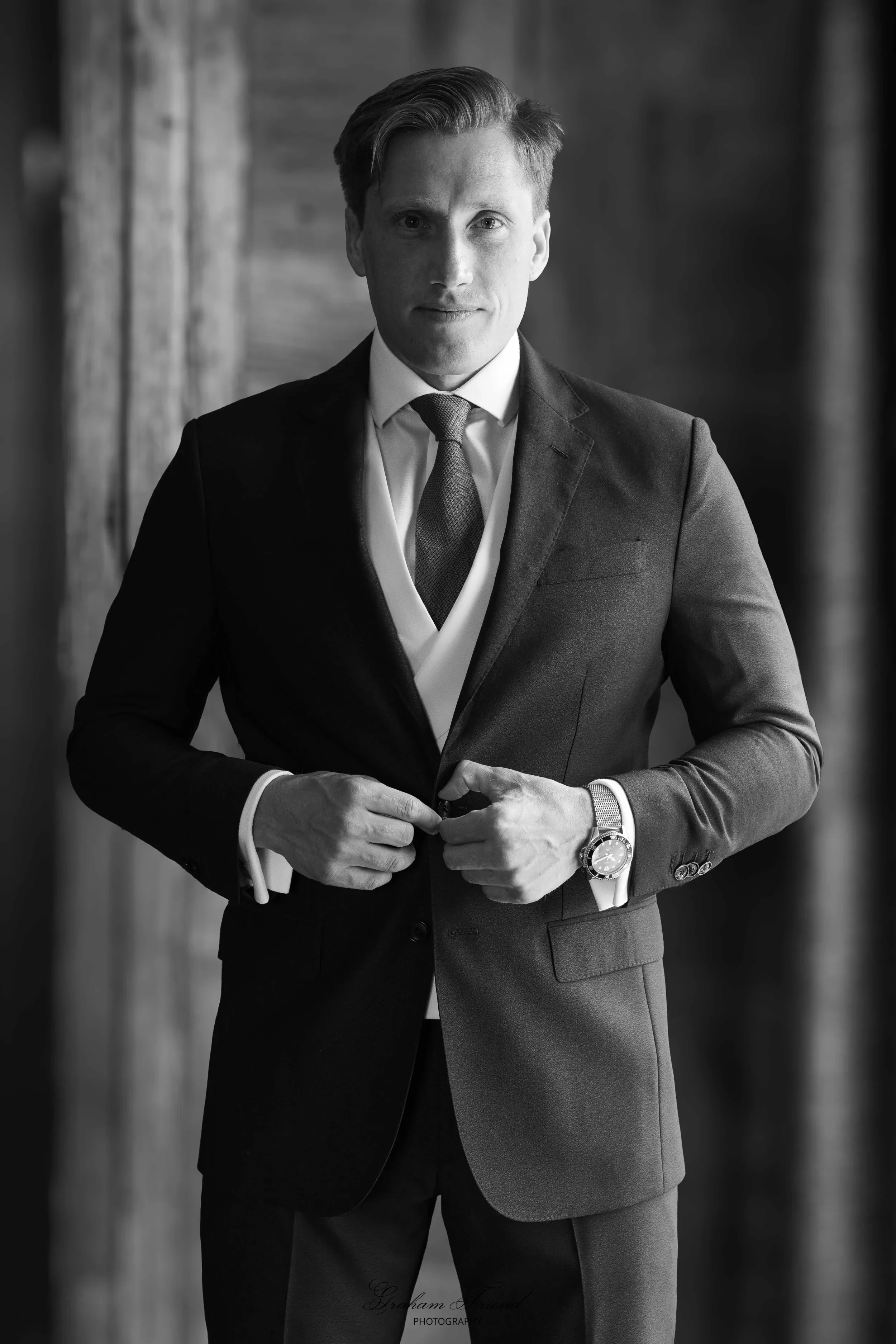
Choosing what to wear for an alpine wedding is less about trend and more about balance. The mountain environment rewards simplicity, movement and texture, elements that work in harmony with the landscape rather than competing with it. At a practical level, flexibility is essential as the weather can change rapidly and the bridal party’s wardrobe should be designed to adapt.
For women, softer silhouettes and flowing fabrics tend to photograph beautifully. Dresses that move with the wind and respond to light create a sense of elegance that feels effortless. Neutral tones, whites, creams and soft greys allow the subject to stand out while still feeling connected to the surroundings.
Above all, the most important factor is how it feels. When people feel comfortable and confident, it shows and that is what ultimately creates the strongest images.
Capturing light in the mountains
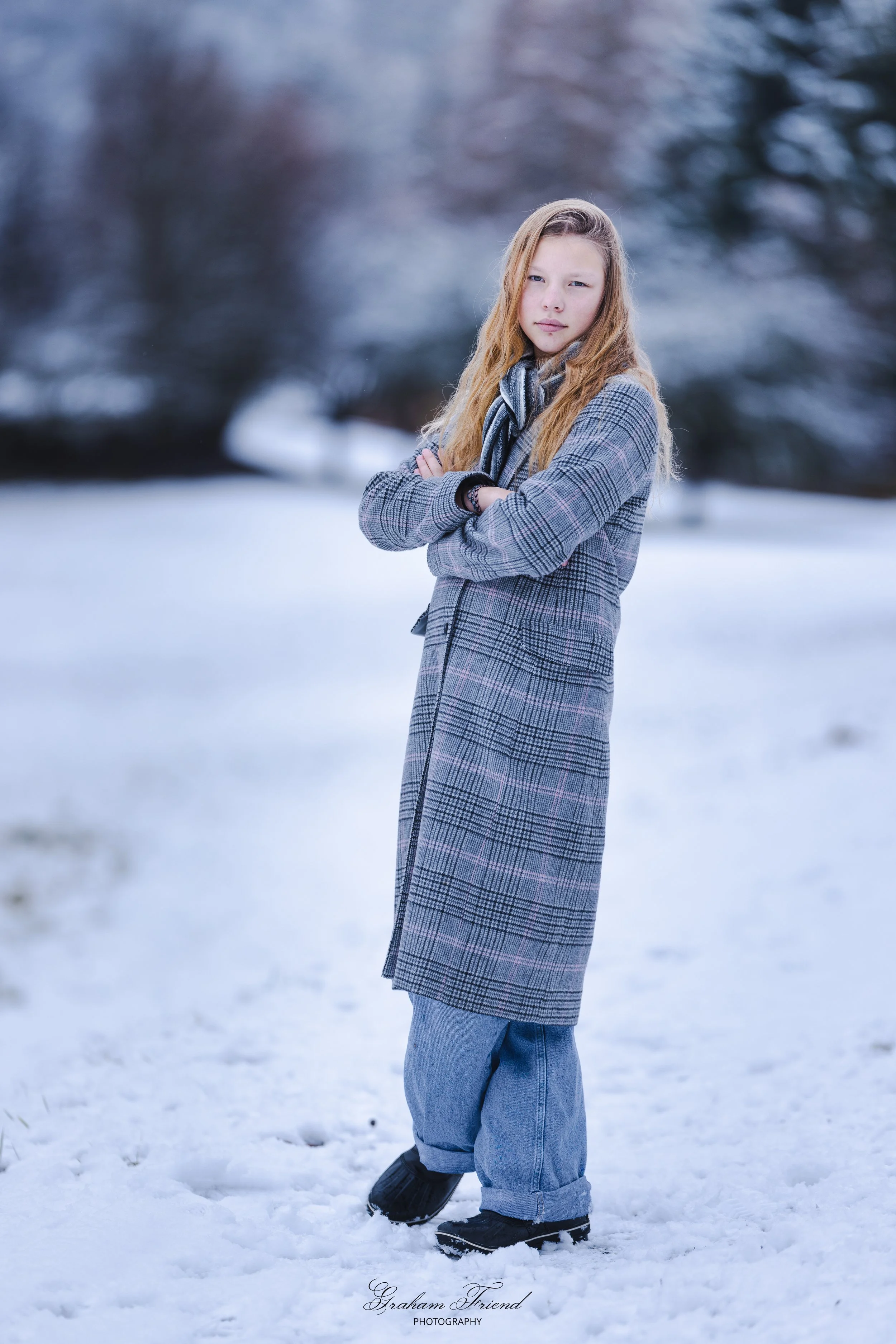
Light in the mountains of Verbier in the Swiss Alps is constantly evolving. It shifts with altitude, weather and time of day, creating a dynamic environment that rewards awareness, patience and technical precision.
Unlike more predictable environments, alpine light is rarely static. Clouds move quickly, shadows stretch across the landscape, and moments of softness can appear and disappear within minutes. This unpredictability is part of what makes it so compelling.
The most refined light often appears early in the morning or later in the afternoon, when the sun is lower and the tones become softer and more directional. These moments create depth and atmosphere, allowing images to feel more considered and nuanced.
However, strong images are not limited to these times. By understanding how to position subjects in relation to light, using shade, reflection and composition, it is possible to create elegant results throughout the day.
Working primarily with natural light means responding to what is there, rather than trying to control it. It is a balance between technical understanding and intuition, knowing when to wait, when to move and when to capture a moment as it unfolds.
It is this relationship with light that defines alpine photography, creating images that feel both natural and quietly refined.